 Field notes ·
 Your laptop is not a vending machine. Our new course is free — and it starts there.

The most common request we get — on TikTok, in email replies, in the Discord — is some version of “teach me how to actually build this.” So we wrote it down. Stack Basics is a free five-module course on everything that has to be true beforethe build: where your always-on machine lives, the plumbing that makes it reachable, the coding agents that do the typing now, and what running AI models actually costs. No email gate. Printable. There’s a free ebook edition.
Why the course starts before the code
Running a fleet of paid services taught us an uncomfortable pattern: almost nothing that kills a first launch is a code problem. The endpoint gets built in a weekend — an AI coding agent will happily write it — and then it runs on a laptop that sleeps, behind a home router that hides it, with no domain, no TLS, and nothing to restart it when it dies at 4am. The agent economy is machines buying from machines around the clock; if your machine keeps banker’s hours, there is no business. Professionals settle a short list of questions before they write a single line. Stack Basics is that list, with the honest tradeoffs attached.
short modules, each ending in one concrete decision you can make today
no email gate, no signup — read it, print it, or download the free ebook PDF
live paid services behind the advice — these are our setup scars, written down
What’s inside
Why localhost fails as a business, and every realistic home for your always-on machine — cheap VPS, Mac mini on a shelf, Raspberry Pi, PaaS, free tiers — with the tradeoff table nobody prints.
Domains, DNS, tunnels, TLS, and keeping your process alive when it crashes at 4am — the part that turns "a machine that is on" into "a machine the internet can find."
Claude, Cursor, and friends do the typing now. How to direct them, what to never delegate, and why the skill that matters is deciding — not syntax.
Tokens, context windows, and the pricing math that decides whether your idea is a business or a donation. Includes the hardware corner for the self-hosting route.
Build vs buy, hosted vs self-run, when to spend — the judgment calls, laid out so you can make them on purpose instead of by default.
The two free halves of a launch
Stack Basics pairs with our other free tool, the Idea-Fit Checklist: the checklist scores whether your idea is worth building; the course builds the machine that ships it. Start with either — you need both halves before launch. And the honest fine print, stated in the course itself: a few links inside (hardware, hosting) are affiliate links. They fund the free stuff, and your price never changes.
Free course · no email needed
Five modules, one sitting. Read it on the site or take the ebook with you — then point your coding agent at module 1 and set up your always-on machine this week.
Related reading: what running 500+ paid endpoints taught us about what actually breaks.
- free course
- self-hosting
- stack basics
- agent economy
 546 Bots Visited Our Fleet This Week. Eight of Them Paid.
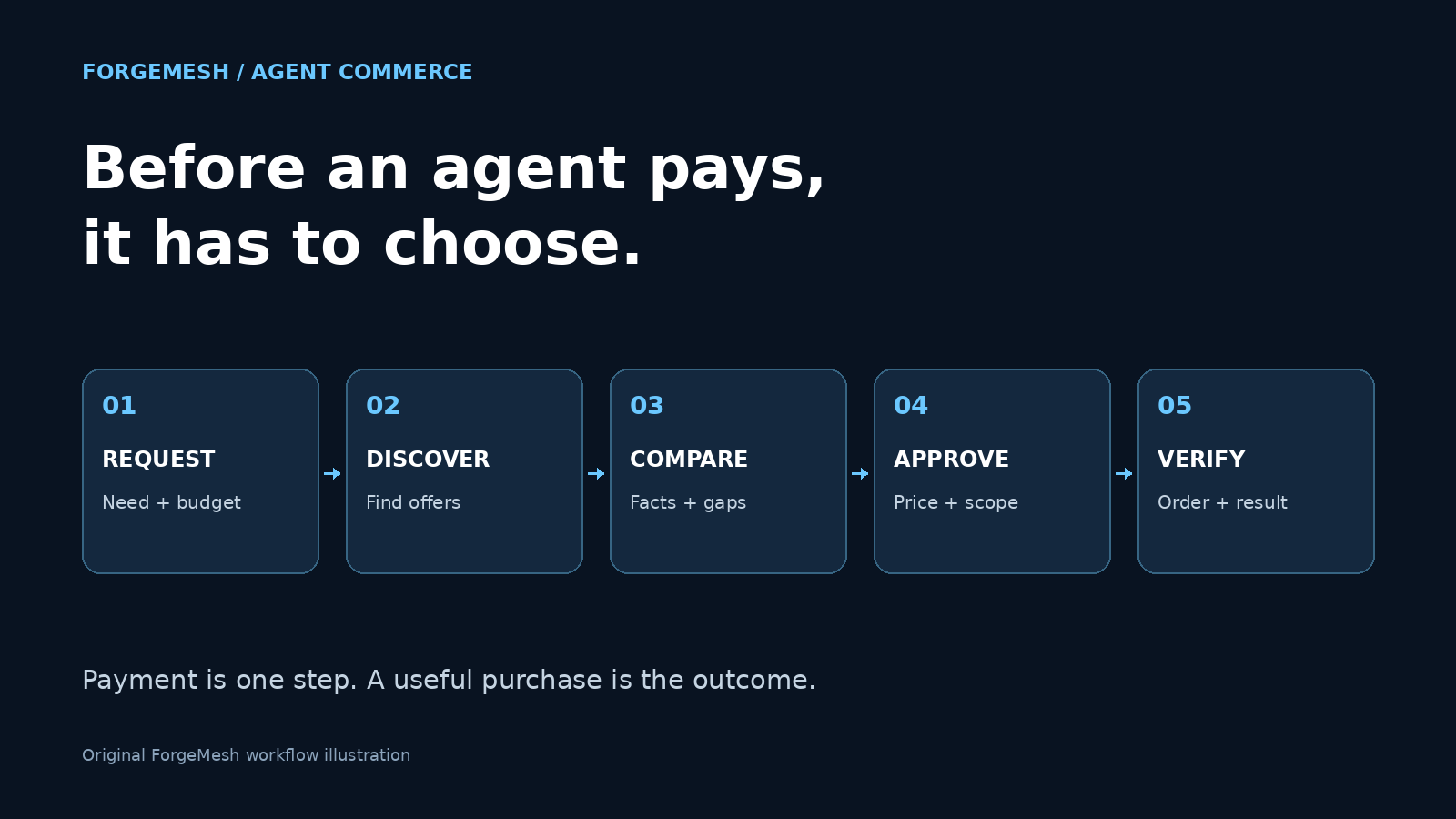 The Machine-Native Economy Starts Before an Agent Pays
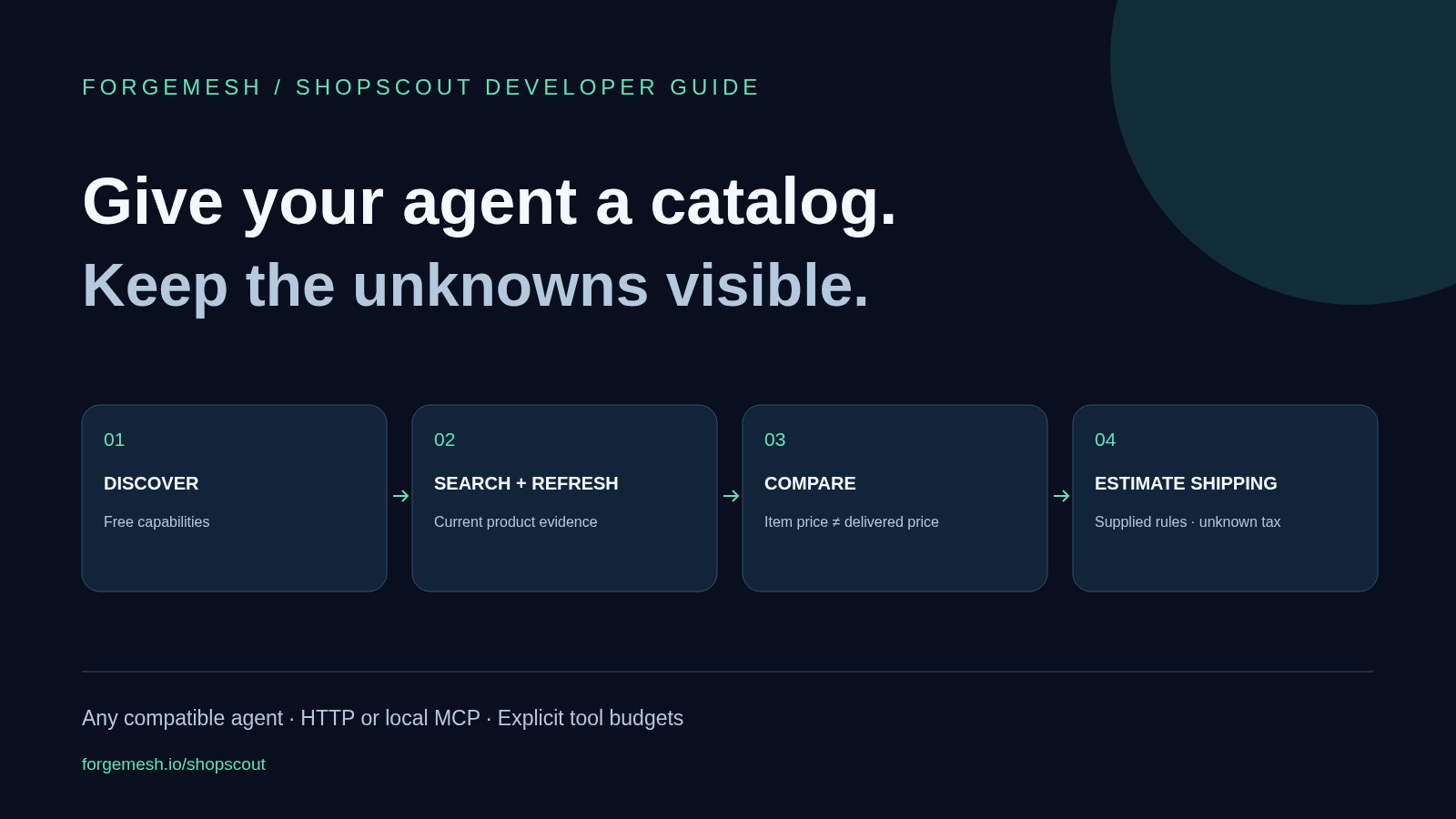 Build an AI Shopping Agent That Knows What a Deal Costs
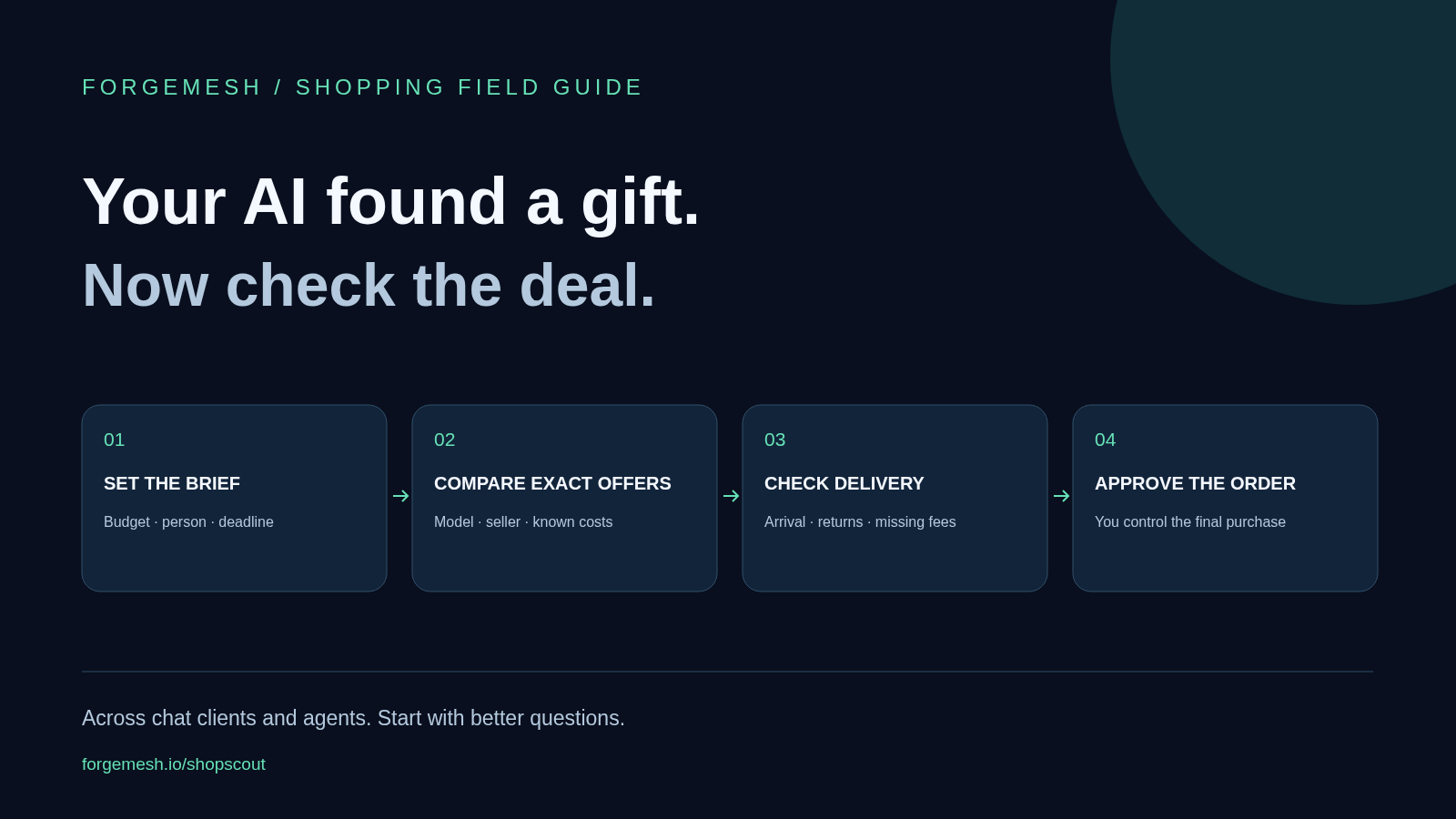 AI Shopping Assistants: A Better Way to Find Gifts
 Kronos Futures: Three Paid Calls That Turn a Price Range Into a Sized Perp Decision, a Funding Read, and a Survival Check
 The Banks Are in One Room in Miami Practicing a Rail With No Public Chain in the Middle. Here Is the Whole Week, Dated.